In the quest for more sustainable practices, the steel industry has found a promising ally in Electric Arc Furnaces (EAFs). Unlike traditional methods, EAFs utilize scrap metal and electric current instead of iron ore and coke. This shift in approach has significant implications for reducing the carbon footprint of steel production, marking a departure from the perceived inflexibility of the industry.
Steel, the backbone of modern construction and manufacturing, has long been an essential component of our everyday lives. However, its production comes at a significant environmental cost, contributing approximately 8% of total global emissions. The conventional method of steel manufacturing involves heating coal to produce coke, which is then burned in massive blast furnaces to melt iron ore. This process releases substantial carbon emissions, making the steel industry a notorious contributor to climate change.
Steel's ubiquity in our daily lives, from cars and airplanes to household appliances, underscores the urgency of finding cleaner and more environmentally friendly manufacturing processes. The steel industry sees its responsibility for a substantial portion of global emissions, and has embraced sustainable alternatives for the well-being of our planet.
The Electric Arc Furnace (EAF): A Sustainable Revolution
Electric Arc Furnaces, which have been around for decades and are heralded as a beacon of change in the steel industry, offer a sustainable alternative to conventional blast furnaces. The most recyclable material globally, steel can now be produced entirely from scrap metal feedstock in EAFs. This process significantly reduces the energy required for steel production compared to traditional methods reliant on primary steelmaking from ores.
The numbers speak volumes – over 70% of U.S. steel comes from scrap steel melted in EAFs, resulting in carbon emissions as low as 14% of those associated with conventional processes. Beyond emission reductions, EAFs present a more flexible production model, allowing for rapid start-ups and shutdowns to align with fluctuating demand. This adaptability provides a critical advantage over the rigid operational nature of traditional blast furnaces.
The Inner Workings of Electric Arc Furnaces
Understanding the inner workings of EAFs unveils the intricacies of their contribution to sustainable steel production. Industrial EAFs come in various sizes, ranging from small one-tonne units used in foundries to large 400-tonne units employed in secondary steelmaking. Operating at temperatures surpassing 1,800 °C (3,300 °F), these furnaces play a pivotal role in transforming scrap metal into molten steel.
The process begins with the meticulous sorting of scrap metal into shred and heavy melt grades. Loaded into baskets, the scrap is carefully layered for optimal furnace operation, with considerations for furnace efficiency and safety. Some operations include pre-heating the scrap to enhance plant efficiency before the actual melting process begins.
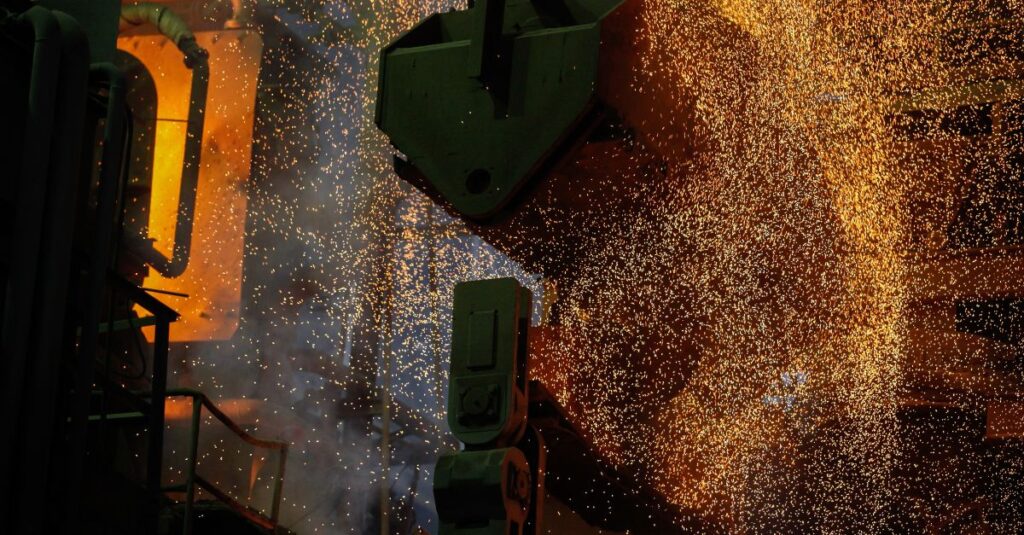
The moment of meltdown is initiated with electrodes bore into the scrap, creating arcs that release potential energy and ignite a fiery spectacle. As the scrap melts, a byproduct known as slag forms, capturing impurities and reducing heat loss. This process involves multiple cycles of melting, refining, and superheating until the desired chemistry and temperature are achieved.
Tapping molten steel into ladles follows, marking the culmination of the production cycle. A portion of liquid steel and slag is intentionally left in the furnace to form a "hot heel," which aids in preheating the next charge of scrap and accelerates the melting process. The furnace then undergoes maintenance, including refractory inspections, ensuring a safe and efficient process at the heart of steelmaking.
Flexibility and Adaptability: Key Advantages of EAFs
What sets EAFs apart is their adaptability to varying production needs. Unlike blast furnaces, which operate continuously for extended periods, EAFs can be rapidly started and stopped, enabling steel mills to adjust production based on demand fluctuations. This flexibility aligns with the modern industrial landscape, where responsiveness and efficiency are paramount.
In scenarios where high-quality scrap is scarce, EAFs exhibit further flexibility by allowing the supplementation of lower quality scrap with direct reduced iron (DRI) and alloy additives. This versatility positions EAFs as a superior alternative to traditional blast furnaces and basic oxygen furnaces.
Looking Towards a Greener Future: The Role of Renewable Energy and Green Hydrogen-Produced DRI
As the global steel market is expected to grow by approximately 30% by 2050, the industry faces the challenge of reconciling growth with sustainability. To meet net-zero emissions goals set by major steelmakers, significant changes are required. The integration of EAFs powered by renewable energy, especially those utilizing green hydrogen-produced DRI, presents a transformative opportunity.
Renewable energy sources offer a cleaner and more sustainable power supply for EAFs, reducing the carbon output per ton of steel produced. Green hydrogen-produced DRI, when incorporated into the steelmaking process, brings the industry significantly closer to achieving carbon neutrality. This represents a crucial step forward in aligning steel production with broader environmental objectives and addressing the urgent need for more sustainable energy infrastructure.
A Local Perspective: R.T. Patterson's Commitment to Sustainable Steel Production
In Pittsburgh, a city synonymous with steel production, R.T. Patterson stands at the forefront of the industry's modernization. With a legacy of completing 13 melt shop engineering projects and winning ESWP's Industrial Project of the Year two decades ago for a Melt Shop at Wheeling Pittsburgh's Steel plant, our firm has a deep understanding of the importance of sustainable steel production.
The awarded project included a powerful 250-ton AC electric arc furnace and a state-of-the-art ladle furnace, representing a significant leap forward in sustainable steel production two decades ago. The advancements made in that project, coupled with our ongoing commitment to innovation, underscore our dedication to pushing the boundaries of what's possible in the pursuit of sustainable steelmaking.
Considerations for EAF Installation: A Holistic Approach
While the benefits of EAFs are evident, the installation process requires a thoughtful and holistic approach. Factors such as shop configuration, furnace capacity, existing infrastructure, and the age of the facility (brownfield vs. greenfield) must be considered to ensure a seamless integration and maximize the environmental and operational advantages offered by EAF technology.
As we navigate the path toward a greener future, RTP remains committed to providing cutting-edge solutions that balance the operational needs of the steel industry with the imperative of environmental responsibility.
Forging a Sustainable Path Forward
The global EAF market was valued at 730 million in 2023, and is expected to reach 1,473 million by 2023. The rise of Electric Arc Furnaces marks a significant shift in the steel industry's trajectory towards sustainability. By embracing these innovative technologies, the industry has the potential to not only reduce its environmental impact but also thrive in a rapidly changing global landscape.
In the coming years, the continued evolution of steel production processes, guided by principles of environmental stewardship and technological innovation, will play a pivotal role in shaping a world where progress and sustainability coexist harmoniously. The journey towards a carbon-neutral steel industry is underway, and Electric Arc Furnaces are lighting the way.