AdobeStock_331323765

How Transformer Replacements Keep Power Systems Reliable and Efficient

Electric utilities depend on transformers to maintain the flow of power from generation plants to homes and businesses. These critical components ensure electricity is delivered safely, efficiently, and without interruption. Replacing and upgrading transformers is a complex engineering challenge that requires precision, planning, and multidisciplinary expertise. 

Ensuring Reliability Across Power Generation, Transmission, and Distribution 

Transformer replacements are essential for preventing unplanned outages and maintaining grid stability. Engineers must carefully plan each project, considering electrical loads, structural foundations, civil modifications, and safety measures. Every decision, from foundation design to electrical layout, directly impacts system reliability and the safety of personnel performing the work. 

Case Studies in Transformer Replacement Projects 

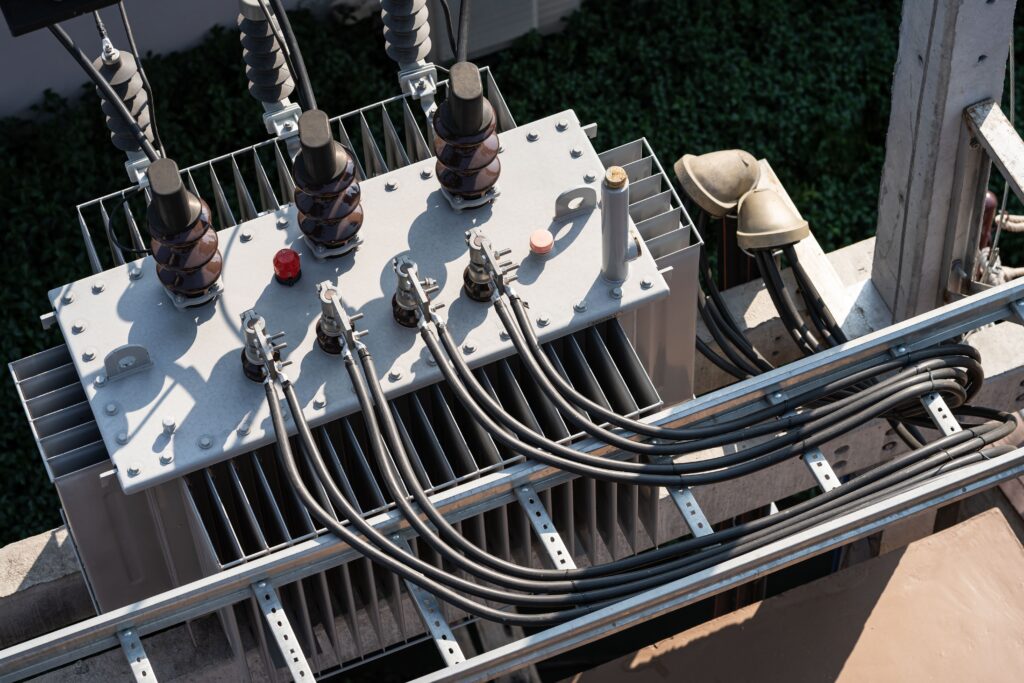
At the Harrison Power Station, the Unit #3 700 MVA GSU transformer replacement involved relocating the existing transformer and installing its replacement on a new foundation. Engineers prepared electrical drawings, designed foundation modifications, and created structural steel plans. The project also included new lightning arrester towers to enhance safety. By integrating electrical, civil, and structural expertise, the project was completed smoothly, minimizing operational disruption. 

Similarly, at the Albright Station, RTP replaced the 150 MVA Unit #3 GSU transformer and made the necessary electrical, civil, and structural modifications. Engineers updated relaying schemes, installed new foundations and access platforms, and prepared detailed drawings to ensure proper relocation and integration of the existing transformer as a station spare. STAAD software was used to evaluate bridges for transformer transport, highlighting the attention to detail required for high-voltage projects. 

The R. Paul Smith Station Unit #4 Auxiliary Transformer Replacement demonstrated the importance of precise engineering in supporting critical infrastructure. The project involved revising relay panel layouts, updating DC schematics, and installing dissolved hydrogen and water monitors for enhanced system monitoring. Each step ensured the transformer operated safely and reliably within the larger power network. 

The Impact of Transformer Replacements on Industrial Operations 

Transformer upgrades are about more than replacing equipment. They sustain the backbone of the power grid. Proper planning, structural and electrical evaluation, and integration with existing systems reduce the risk of outages and improve overall efficiency. Each project contributes to long-term operational resilience and supports the reliable delivery of power to communities and industries. 

Building Safe and Resilient Power Systems 

Transformer replacement projects illustrate how careful engineering can prevent failures, optimize performance, and ensure safety. By combining electrical, civil, and structural expertise, these projects demonstrate that reliable power delivery is not accidental; it is engineered. Through detailed planning, precise calculations, and rigorous attention to detail, transformer replacements keep power flowing safely and efficiently. 

Petrochemical,Plant,Industrial,Equipment,Landscape.,Business,Industry,And,Technology

Delivering Reliable Engineering Solutions That Stand the Test of Time

Industrial facilities depend on engineering solutions that perform safely and efficiently every day. When systems fail or underperform, the consequences can include unplanned downtime, safety risks, and lost production. Reliable engineering is not about completing a project quickly—it is about delivering solutions that function consistently, meet operational and regulatory requirements, and support long-term facility performance. 

Why Trusted Engineering Matters 

Engineering is valuable only when it produces predictable and durable outcomes. Facilities require systems that maintain performance under operational stress, changes in demand, and evolving safety standards. Trusted engineering ensures that modifications, upgrades, and maintenance provide both immediate results and lasting reliability. 

Investing in reliable engineering reduces operational risk, protects personnel, and strengthens confidence in facility operations. It allows operators to plan for the future knowing that critical systems will continue to meet performance expectations. 

Core Principles of Reliable Engineering 

Reliable engineering is built on practical expertise, thoughtful planning, and long-term thinking. Essential components include: 

  • Practical Design Solutions – Implementing engineering decisions that function effectively in real-world operating conditions. Designs account for actual facility workflows, environmental conditions, and operational constraints. 
  • Safety and Compliance – Ensuring all systems meet regulatory standards and internal operational requirements. Compliance is integrated into every step of the engineering process, from planning to execution. 
  • Innovation with Purpose – Introducing improvements that enhance performance without creating unnecessary complexity or operational risk. Every change has a clear benefit to efficiency, reliability, or safety. 
  • Cost-Effectiveness – Balancing technical excellence with responsible budgeting. Reliable engineering delivers lasting value without unnecessary expenditure. 

Focusing on these principles ensures that engineering work not only meets immediate needs but provides a foundation for sustained operational success. 

Building Long-Term Partnerships 

Reliable engineering extends beyond individual projects. It requires ongoing collaboration with clients to understand operational objectives, anticipate challenges, and provide consistent support. Long-term partnerships allow engineering teams to: 

  • Deliver predictable, repeatable results across multiple sites and projects. 
  • Anticipate operational challenges and implement proactive solutions. 
  • Align engineering improvements with broader strategic goals and operational priorities. 

By fostering strong client relationships, engineering teams reduce risk, improve system reliability, and provide confidence that solutions will continue to perform over time. 

Real-World Example: CMC Steel Texas Electric Arc Furnace Project 

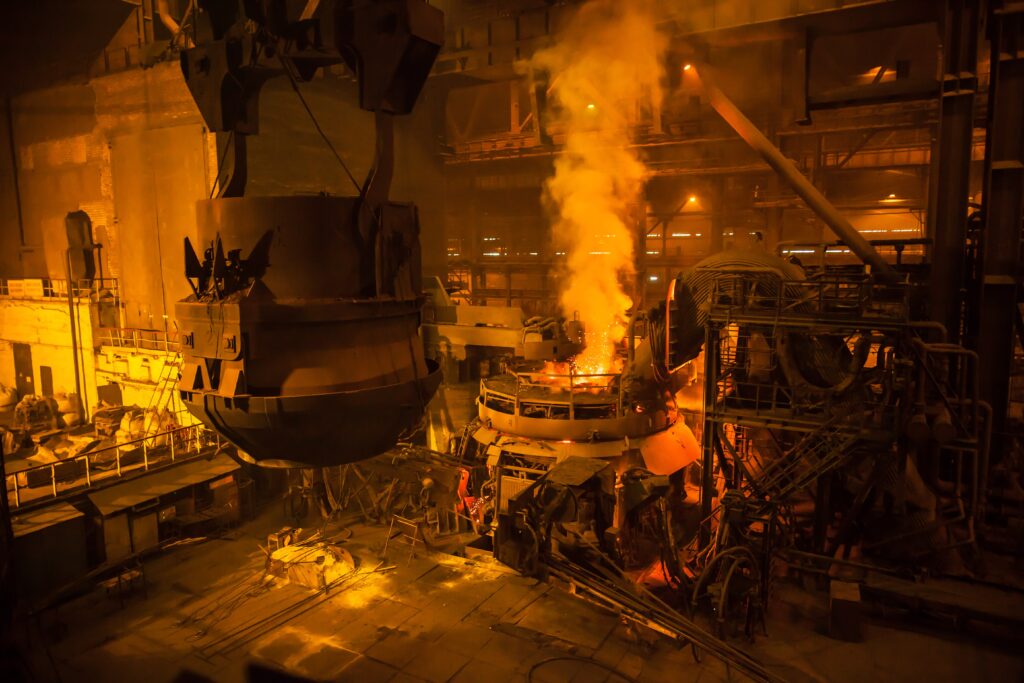
The Electric Arc Furnace installation and cooling system upgrade at CMC Steel Texas demonstrates the impact of reliable, client-focused engineering. During a 47-day outage, a new, larger furnace was installed while an existing unit was replaced. Engineering support included foundation work, duct replacements, electrical upgrades, and system modifications that maintained alignment with production requirements. 

Additionally, three separate cooling water systems were consolidated into a single 32,000 GPM service system designed to accommodate future expansion. By integrating practical design, operational planning, and safety considerations, the project was completed efficiently, safely, and with long-term durability in mind. The result is a system capable of supporting operations for years to come while minimizing the risk of downtime or failure. 

The Impact of Consistent Engineering 

Facilities benefit when engineering is reliable, practical, and client-focused. Consistency in design, implementation, and support builds operational resilience, strengthens safety, and ensures that critical systems continue to perform over time. Trusted engineering allows operators to plan with confidence, knowing that upgrades and modifications will deliver durable results, protect personnel, and support long-term operational goals. 

Sets,Of,Cooling,Towers,In,Data,Center,Building.

Engineering the Critical Infrastructure That Keeps Data Centers Running

In today’s digital economy, data centers don’t just store information, they power entire industries. With the rise of AI, cloud platforms, and real-time data processing, these facilities are under growing pressure to operate at massive scale with zero tolerance for downtime. 

But the resilience of a data center begins long before the servers go online. It starts with the infrastructure built to support it, from the substation and steel to the cooling systems and control networks. 

At R.T. Patterson Company (RTP), we bring nearly 70 years of experience engineering utility-grade infrastructure for sectors where operational continuity is non-negotiable. That same discipline now helps data center developers build for performance, scalability, and future demand. 

From Industrial Centers to Server Farms: Engineering for High-Stakes Environments 

Data centers demand the same level of system reliability and lifecycle durability as the heavy industrial facilities we've supported for decades. Our legacy in manufacturing, power generation, and petrochemicals gives us deep insight into: 

  • Specialized mechanical systems 
  • Integrated electrical and control systems designed for uptime and efficiency 
  • Coordinated infrastructure layouts that simplify future expansion and ongoing maintenance 

We understand how to engineer systems that operate 24/7, because we’ve done it for industries that never stop. 

Supporting the Infrastructure That Supports the Cloud 

Our work doesn’t stop at engineering drawings. We collaborate with developers, utilities, EPCs, and contractors to help engineer the physical systems that support data center operations. Our infrastructure services include: 

  • Electrical Engineering: Medium- and low-voltage distribution, substations, fault studies, and coordination 
  • Mechanical Systems: HVAC systems for power and control rooms, cooling support piping, and process utilities 
  • Automation & Controls: Instrumentation and control logic that ties systems together and provides real-time visibility 

These are the foundational elements that allow data centers to scale confidently and operate reliably from day one. 

Built for Today. Engineered for Tomorrow. 

Every data center is evolving. Power demand is rising. Technologies are shifting. Uptime expectations are growing stricter. 

Our approach to design and engineering accounts for that uncertainty, delivering infrastructure that supports what’s needed today and prepares for what’s next. That means: 

  • Maintainability built into the layout, not added later 
  • Code compliance embedded from the start, including seismic and wind loads and electrical reliability benchmarks 
  • Integrated commissioning support that ensures systems work together as designed 

Whether the project is greenfield or retrofit, RTP brings consistency, quality, and foresight to every phase. 

Infrastructure Experience That Moves With the Market 

With engineering hubs in Pittsburgh, Merrillville, and Evansville, RTP offers both regional insight and national reach. Our clients rely on us not just for technical execution, but for our ability to work side-by-side with EPCs, developers, and owners to move projects forward efficiently. 

Our infrastructure experience spans: 

  • Power generation and utilities 
  • Petrochemical and heavy manufacturing 
  • Industrial automation and process systems 
  • High-reliability, high-demand environments where failure is not an option 

This is where we’ve built our name. And these are the challenges we’re built to solve. 

Conclusion: A Trusted Engineering Partner for Mission-Critical Infrastructure 

Building a data center means more than deploying servers and cables—it means delivering the infrastructure that will carry tomorrow’s technologies. That infrastructure must be durable, flexible, and engineered for long-term performance. 

R.T. Patterson brings the systems-level thinking and field-proven engineering that critical operations depend on. We’re not just designing for uptime, we’re designing for what’s next. 

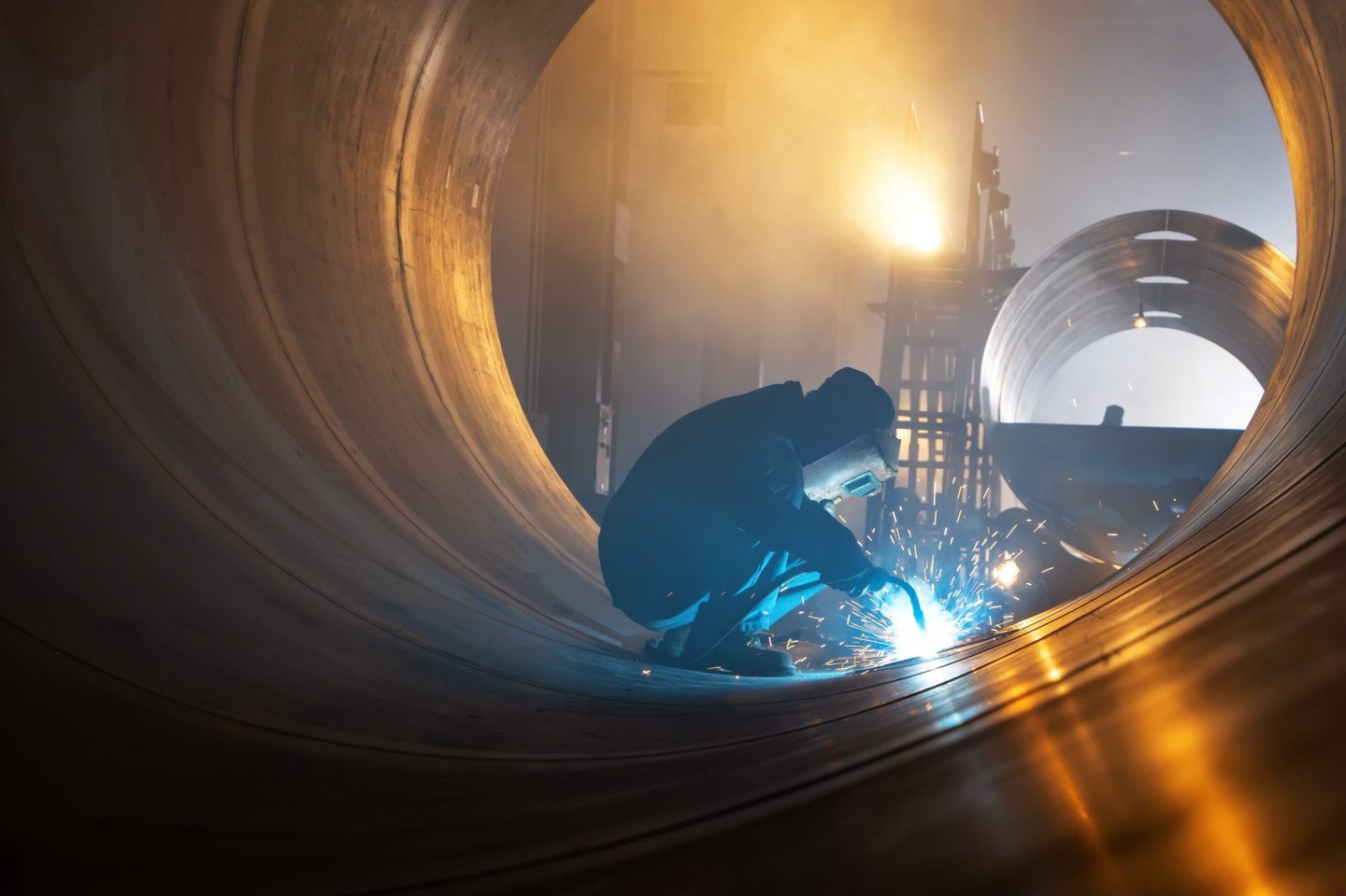
The,Welder,Is,Welding,Steel,Plates

Why Smart Engineering Makes the Difference in Modern Steel Projects

Steel is foundational to modern infrastructure. From refineries and power plants to data centers, manufacturing facilities, and critical utility systems, steel’s strength, reliability, and durability make it an essential material. 

But the success of any steel-intensive project doesn’t rest on the material alone. It depends heavily on the engineering decisions that surround it. 

At R.T. Patterson, we’ve spent decades working with steel in some of the most demanding environments. And if there’s one thing we’ve learned—it’s that steel is only as effective as the engineering thinking behind it. 

Where Steel Projects Succeed—or Fail 

Modern steel projects are far more than beams and bolts. They involve complex integration, performance requirements, and lifecycle considerations. Yet, many projects face avoidable pitfalls: 

  • Overdesign: Structures are often made heavier or more complex “just to be safe,” leading to unnecessary cost, increased weight, and longer fabrication times. 
  • Coordination Challenges: Poor integration with HVAC, electrical, and piping systems often causes costly rework during construction. 
  • Neglected Corrosion Protection: Coating and corrosion mitigation plans are sometimes treated as afterthoughts rather than integral parts of the design. 
  • Logistics Oversights: Early-stage design may ignore site constraints or delivery challenges, causing delays and field modifications. 

These issues aren’t failures of steel as a material—they’re failures in planning and engineering. When engineering is disconnected from the realities of construction and operations, the project pays the price. 

Engineering That Leads—Not Lags 

We believe engineering should prevent problems, not simply react to them. 

That’s why RTP engages with projects early—often before final drawings are completed or materials ordered. Early involvement means opportunities to add value and avoid costly issues. 

Our engineering teams plan with a comprehensive lens, including: 

  • Load Paths, Access, and Fit-Up: Ensuring structural integrity while optimizing for efficient assembly and future maintenance. 
  • Fabrication and Delivery Timelines: Engineering with constructability in mind, so materials arrive when needed and fit precisely on site. 
  • Trade Coordination: Aligning steel work with electrical, HVAC, piping, and other trades before conflicts arise. 
  • Long-Term Durability: Designing corrosion protection and coatings upfront, considering maintenance cycles and environmental exposures. 

Smart steel projects are engineered not only for strength but for efficiency, resilience, and repeatability across multiple projects. 

Steel Is Evolving—and So Are Expectations 

The infrastructure landscape today demands more from steel than ever before: 

  • Accelerated Build Cycles: Fast-track schedules require precise, reliable fabrication and modular assembly. 
  • Prefabrication Accuracy: Higher standards in off-site fabrication reduce field errors and improve safety. 
  • Sustainability Goals: Material optimization and lifecycle planning reduce waste and environmental impact. 
  • Smart System Integration: Steel structures increasingly incorporate sensors, monitoring devices, and energy infrastructure components. 

These evolving requirements don’t diminish steel’s value; they raise the stakes on how steel is engineered and delivered. 

At RTP, we integrate traditional structural design with modern tools such as BIM, digital modeling, and lifecycle analysis. This approach minimizes surprises, reduces change orders, and increases first-time quality on every project. 

The Role of Engineering in Steel Modernization 

Steel remains the backbone of modernization efforts—whether utility upgrades, industrial expansions, or the buildout of high-performance data centers and energy transition infrastructure. 

But as project complexity and speed increase, engineering’s role becomes more strategic: 

  • Supporting collaboration between multidisciplinary teams. 
  • Anticipating constructability challenges before they become costly problems. 
  • Planning for maintenance and longevity, ensuring assets perform reliably over decades. 
  • Enabling innovation in design and delivery to meet evolving infrastructure needs. 

Smart engineering goes beyond code compliance. It’s about understanding context, thinking ahead, and designing solutions that align with operational realities. 

The Bottom Line 

Steel doesn’t make a project successful. 
Smart engineering does. 

At R.T. Patterson, we design steel structures not just to code, but to context. We think ahead, plan precisely, and make steel work smarter for the infrastructure that keeps our world moving. 

Because great materials deserve great engineering. 
And every project deserves to get it right the first time.

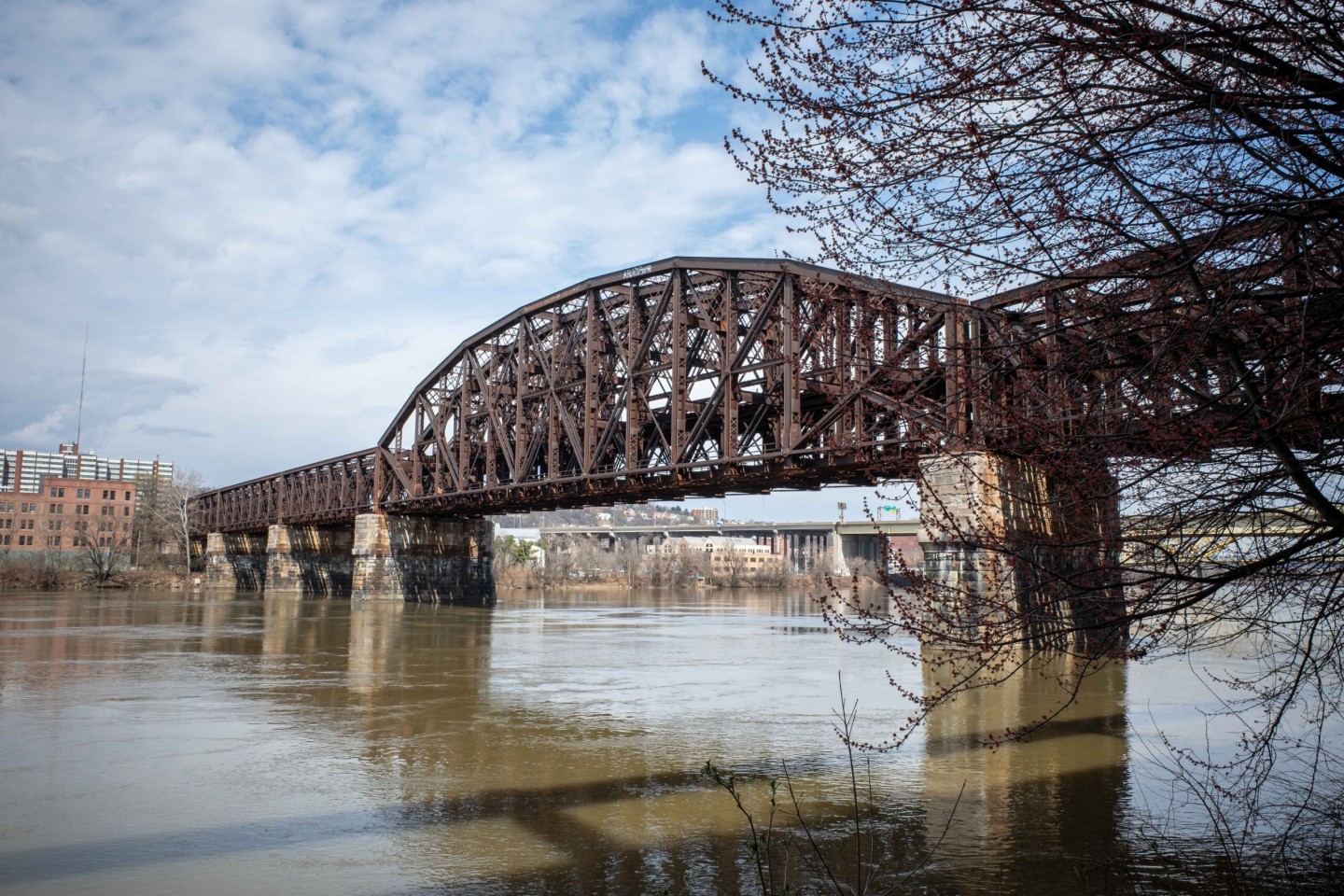
Pittsburgh's,Steel,Giant:,Fort,Wayne,Railroad,Bridge,,A,Symbol,Of

What the U.S. Steel–Nippon Deal Could Mean for Pittsburgh—and for R.T. Patterson

As a company with deep roots in Pittsburgh and a legacy built alongside the steel industry, the latest developments surrounding U.S. Steel’s potential partnership with Japan-based Nippon Steel are more than just headlines—they’re moments that could help reaffirm the strength and relevance of our region.

We’ve seen U.S. Steel shape the economic and industrial landscape of Pittsburgh for over a century. The steel industry isn’t just part of this city’s history—it’s embedded in its identity. That’s why the recent indication that U.S. Steel will maintain its headquarters in Pittsburgh and continue operating under U.S. leadership is such important news for our community.

According to reporting from the Pittsburgh Business Times, the merger—which is expected to close on June 18—includes a commitment to keep U.S. Steel’s corporate leadership in the United States, with Pittsburgh remaining the company’s official home base. This announcement, paired with a reported $14 billion investment from Nippon Steel—including $2.2 billion toward upgrading operations in the Mon Valley—brings a renewed sense of energy to the region’s industrial future.

1. Pittsburgh’s Role in Industry—Reinforced

At a time when global investment strategies are shifting and industrial companies are reevaluating their footprints, the indication that U.S. Steel’s headquarters will remain in Pittsburgh sends a promising message: Pittsburgh continues to be a cornerstone of American manufacturing.

For R.T. Patterson, this hits close to home. We’ve engineered solutions for industrial, chemical, and energy sectors since 1955—and we’ve done it all from the heart of steel country. The potential for U.S. Steel to remain headquartered here only strengthens the region’s standing as a hub for critical infrastructure, talent, and innovation.

2. A Foundation for Continued Growth

Major deals often bring major questions. But the reported structure of this one outlines a path that could support long-term stability—for the region’s workforce, its supply chain, and for the many supporting industries connected to steel.

If finalized as described, this continuity could help ensure that strategic decision-making remains rooted in the very communities that helped build U.S. Steel. That means relationships, knowledge, and innovation stay close to home.

At R.T. Patterson, we remain committed to supporting our steel friends—partners, clients, and peers—through every stage of growth and transformation.

3. A Recognition of American Engineering

Steel has always required more than raw materials. It demands expertise, precision, and relentless innovation. That’s why we view this potential partnership as more than just a business transaction. It could be a reaffirmation of the skill, dedication, and technical excellence that define Pittsburgh’s workforce.

With new investment and a focus on modernization, this deal has the potential to keep Pittsburgh at the forefront of both steel production and the advanced engineering that supports it.

R.T. Patterson has helped industrial clients adapt and thrive for over 65 years. As this new chapter unfolds, we stand ready to offer the insight, design, and project leadership that our clients count on—especially those in steel and related sectors.

Final Thoughts

While the full structure and approval of the U.S. Steel–Nippon deal are still evolving, one thing is clear: Pittsburgh continues to matter on the global industrial stage. And its legacy in steel remains a source of pride—and possibility.

At R.T. Patterson, we’re proud to be part of that story. And we’re even prouder to support our steel friends and the broader industrial community as we all look ahead to what’s next.

Gas,Industry.,Gas,Pipeline.,Gas,Pipes,,Stop,Valves,And,Appliances

The Evolving Role of Compressor Stations in Building Resilient Gas Utility Infrastructure

Compressor stations are essential to the reliable delivery of natural gas, supporting everything from industrial manufacturing to residential heating. As utilities and operators face growing demands for operational efficiency, emissions reduction, and flexible capacity, the design and management of these stations are evolving rapidly. 

At R.T. Patterson Company (RTP), we understand the complexity behind these infrastructure challenges. This post explores key considerations in modern compressor station projects, with a glance at lessons learned from infrastructure upgrades. 

Compressor Stations: More Than Just Pressure Boosters 

While the core function of compressor stations remains boosting gas pressure along pipelines, today’s projects must do much more: 

  • Handle fluctuating throughput and future growth 
  • Comply with tighter environmental regulations, especially around emissions 
  • Enable easier operations and maintenance through smart design and technology 

For gas utilities, these factors are crucial to maintaining safe, cost-effective service and supporting long-term energy transition goals. 

Designing for Flexibility and Efficiency 

One of the biggest challenges in compressor station projects is balancing the need for standardization with site-specific adaptations. Standardized design templates can speed up engineering, procurement, and construction while controlling costs. But every site presents unique challenges — from geography and local regulations to integration with existing infrastructure. 

Integrated, multi-discipline collaboration helps address this complexity. Aligning civil, structural, mechanical, electrical, and control systems engineering from the start is key to delivering designs that work seamlessly in practice. 

Emerging Trends Shaping Gas Utilities and Compressor Stations 

The industry is seeing several transformative trends: 

  • Increased adoption of digital twins and IoT sensors for real-time monitoring 
  • Modular construction techniques to accelerate project delivery 
  • Enhanced focus on methane leak detection and reduction technologies 

These innovations promise to reshape how compressor stations are designed, built, and operated—helping utilities navigate evolving regulatory landscapes and shifting market demands.

As natural gas infrastructure grows more complex, the successful design and execution of compressor station projects require a thoughtful blend of standardization, site-specific adaptation, and technological innovation. 

Pittsburgh,,Pennsylvania,,Usa,City,Skyline,At,Dusk.

R.T. Patterson Named One of Pittsburgh’s Top Engineering Firms for 2025

We’re proud to announce that R.T. Patterson has been named one of Pittsburgh’s Top Engineering Firms for 2025 by the Pittsburgh Business Times.

Since our founding in 1959, R.T. Patterson has played a meaningful role in Pittsburgh’s industrial growth. From the steel mills that defined a generation to today’s energy and manufacturing innovations, we’ve delivered reliable, forward-thinking engineering solutions that help power our region and beyond.

“Being named one of Pittsburgh’s top engineering firms is a testament to our team’s deep expertise and the long-standing partnerships we’ve built across the region. We’re proud of our roots and even more excited about what’s ahead.”
— Larry Friedline, General Manager of Engineering, R.T. Patterson

As industries have evolved, so have we—growing our expertise across sectors, adapting to new technologies, and staying focused on what matters most: delivering value through technical excellence and trusted relationships.

Air,Circuit,Breakers,,Disconnectors,And,High-frequency,Barriers,And,Other,Elements

Why Air Insulated Substations Still Make Sense in 2025

At R.T. Patterson, we design both air insulated and gas insulated substations. Each offers unique advantages—and choosing the right one comes down to your project’s specific goals, location, and budget. This post focuses on AIS: a proven solution that continues to deliver value in the right conditions. 

What Is an Air Insulated Substation? 

An air insulated substation (AIS) is the classic workhorse of electrical power systems. It uses open-air to insulate its electrical equipment—things like switches, transformers, and circuit breakers. You’ll see everything right there: exposed conductors, insulators, and steel structures laid out in the open. 

It might not look fancy, but it works. And it’s been working for decades. 

How AIS Compares to GIS—and Why Both Matter 

You might hear about gas insulated substations (GIS) as a modern alternative. Instead of open air, GIS uses SF6 gas inside sealed containers to insulate the equipment. It’s compact, clean-looking, and great for tight spaces. But bigger isn't always better. 

Here’s how they stack up:

Feature AIS GIS 
Space Needed Requires more space Compact footprint 
Cost Lower initial cost Higher upfront cost 
Maintenance Easier to inspect and repair More complex, specialized care 
Environmental Risk No gas handling required SF6 gas has environmental concerns 
Installation Time Faster, simpler Longer, more involved setup 

GIS is an excellent fit for urban or indoor installations. But for projects with room to breathe, AIS often delivers more flexibility at a lower cost. 

When AIS Is the Right Fit (And When It’s Not) 

AIS is still the right answer in many projects. It’s especially ideal when: 

  • You have plenty of outdoor space 
  • You need a more budget-friendly substation 
  • Ease of maintenance is a priority 
  • The environment isn’t too harsh 

When is it NOT the right fit? 

  • Urban or space-constrained environments 
  • Areas with frequent, severe weather 
  • Sites where aesthetics or enclosure is a concern 

R.T. Patterson’s Experience with AIS 

We’ve been designing and implementing AIS solutions for decades. Whether it's for utility companies, industrial facilities, or campus infrastructure, AIS remains a reliable and efficient choice when space and accessibility allow. 

Example: In one recent project, a client needed a substation upgrade in a rural industrial park. We delivered a complete AIS design that lowered construction costs, reduced outage risk, and allowed for future expansion. 

Our team collaborated closely with the utility and plant engineers to make sure the design was both code-compliant and easy to maintain. 

What to Consider When Planning One 

Here are a few questions to ask early: 

  • Do we have the land for an AIS? 
  • How important is upfront cost vs. long-term compactness? 
  • Who will maintain this, and do they have the right skills? 
  • Are there environmental or permitting hurdles? 

Pro Tip: Bring your engineering team into the conversation early. The earlier we can help you assess site conditions and project goals, the more value we can bring. 

Final Takeaway

There’s no one-size-fits-all in substation design. AIS is a great fit when space is available, costs matter, and maintenance simplicity is a priority. GIS is a better choice in urban or space-constrained environments. The key is knowing which path leads to the best long-term outcome—and that’s where our team comes in. 

If you’re comparing substation options or starting from scratch, talk to our engineers. We’ll help you make a smart, informed decision based on what your project actually needs.